
Hope for the Journey.
For Families. For Churches. For Every Child in Between.
Fetal Alcohol Spectrum Disorders affect an estimated 70% of children in foster care. Most families have never heard of it. Most churches don't know how to help. We've been living this for 35 years. Let us walk with you.
Religion that is pure and undefiled before God the Father is this: to visit orphans and widows in their affliction, and to keep oneself unstained from the world.
Our Story
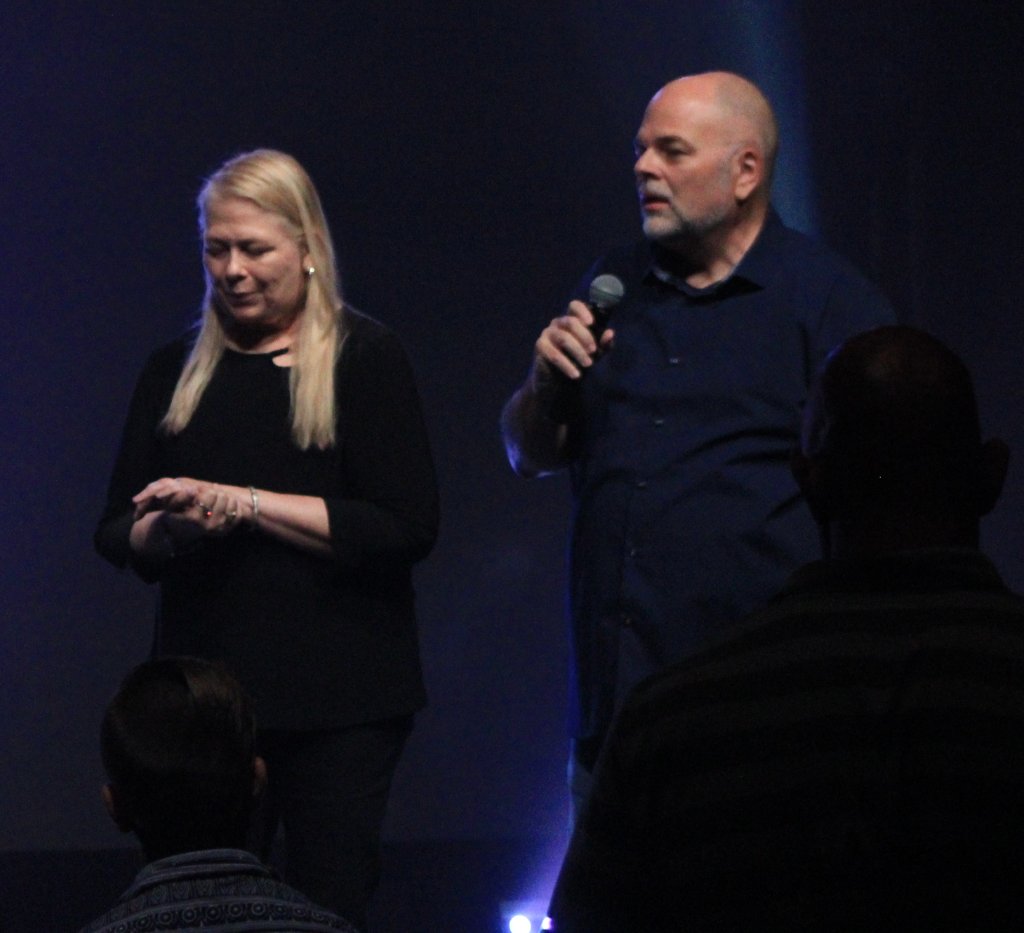
Wayne & Diana Lanier
More Than 35 Years on the Foster Care & Adoption Journey
For more than 30 years, our lives have been deeply shaped by the foster care and adoption journey. We've welcomed six children into our home, five of them through foster care, and every single one has taught us something about grace, resilience, and the power of hope.
But it's also been hard. Each of our five adopted children has been impacted in some way by Fetal Alcohol Spectrum Disorders (FASD), a lifelong condition caused by prenatal alcohol exposure. FASD affects everything from emotional regulation and impulse control to learning, social skills, and daily routines.
And yet, it's one of the most misunderstood and misdiagnosed conditions in the foster care system today.
Understanding FASD
What Is FASD?
FASD is not a label. It's a reality for thousands of children in care. Research shows alarming numbers that demand our attention and action.
of children in foster care have been exposed to alcohol in utero
higher rate of prenatal alcohol exposure than the general population
years of personal foster care and adoption experience
children welcomed into the Lanier home, 5 through foster care
A Glimpse Into Our Story
You Don't Erase FASD, But You Can Build a New Story Around It
One of our children, diagnosed with multiple overlapping conditions, was amplified by an inability to regulate emotions. We were told he needed "more discipline." What he really needed was understanding.
FASD was affecting how his brain processed sensory input, stress, and even basic transitions. It was a long difficult journey of seeking help, moving forward, falling down, finding support, and lots of prayer.
We learned that you don't erase FASD, but you can build a new story around it, a story of hope.
What We're Doing
Through Labor of Love
We're now using our experience to serve other families, caregivers, and churches through training, resources, and outreach.
FASD-Informed Strategies
Equip foster and adoptive parents with practical, FASD-informed parenting strategies that work with the brain, not against it.
Integrative Care Advocacy
Advocate for integrative care, including trauma-sensitive therapies and complementary support approaches.
Family Support Network
Create a support network that understands the unique journey of families affected by FASD.
Church & Educator Training
Empower educators and churches to see the child behind the behavior and respond with understanding.
About More Than Awareness
It's About Action
Children with FASD are more likely to experience:
Placement disruptions
School failure
Misdiagnosis and mistreatment
Incarceration, homelessness, or addiction in adulthood
But with the right tools, they can thrive.
With early intervention, structure, and the right tools, children with FASD can thrive. We've seen it. We've watched our children become gentle leaders, gifted artists, protectors of the vulnerable, and joyful worshippers, not in spite of their challenges, but through them.
"When people know better, they do better. We believe churches, families, and communities can be equipped to walk with these children in hope, not fear."
For Church Leaders
Why This Matters for Your Ministry
If your church is engaging foster care and adoption, FASD is not a fringe issue, it's a central one. Research suggests that 70% of children who have been in the foster care system have been exposed to alcohol in utero. The behaviors that result, emotional dysregulation, impulse control challenges, sensory sensitivity, difficulty with transitions, are often misread as defiance or spiritual problems when they are neurological realities.
Churches that understand FASD serve foster families better. They keep families from burning out. They create environments where children can actually thrive. And they become the kind of community that foster and adoptive families actually stay in.
We can train your team. We can equip your small group leaders, your children's ministry staff, and your pastoral care team to see the child behind the behavior and respond with understanding.
Make A Difference
How You Can Help
When you support Labor of Love, you're helping families like ours, and hundreds more, receive the tools, truth, and support they need to navigate FASD and foster care with hope.
Theological Foundation
Foster Care in the Context of the Kingdom of God
In Christian thought, the Kingdom of God is the reign of God's love, justice, and redemption breaking into the world, as exemplified by Jesus' life and teachings. Foster care, in this context, becomes more than a social service, it's a tangible expression of God's heart for the vulnerable, a ministry of restoration, and a reflection of divine adoption.
A Reflection of God's Fatherhood
Theological Foundation
The Bible portrays God as a "Father to the fatherless" (Psalm 68:5) who "sets the lonely in families" (Psalm 68:6). Foster care aligns with this by providing a family for children who've been separated from their own due to brokenness, abuse, neglect, or loss.
Spiritual Parallel
Christians see themselves as adopted into God's family through Christ (Ephesians 1:5, Romans 8:15). Fostering mirrors this divine act, offering children a place to belong, not just physically but emotionally and spiritually, pointing them toward God's unconditional love.
What It Looks Like
Foster parents become conduits of God's care, offering stability and affection to kids who might otherwise feel abandoned. It's less about fixing a child's situation and more about embodying God's presence, holding space for healing, even amid pain.
Malachi 4:6
Frequently understood as having a future fulfillment, envisioning God reconciling the hearts of fathers to their children and children to their fathers. Fathers hold a vital responsibility in realizing the expansive vision of a "Kingdom Family," fostering a call to embrace and uplift children from fractured homes.
A Call to Radical Hospitality
Biblical Mandate
Scripture repeatedly calls God's people to care for the marginalized, "to look after orphans and widows in their distress" (James 1:27) and "defend the weak and the fatherless" (Psalm 82:3). Jesus himself welcomed children when others dismissed them (Mark 10:14-16), showing their value in the Kingdom.
Practical Expression
In the Kingdom context, fostering isn't just a duty, it's an act of worship, a way to live out Jesus' command to love your neighbor (Mark 12:31). It's radical because it invites strangers, often wounded ones, into the intimacy of your home, trusting God to work through the mess.
What It Looks Like
Picture a family opening their door to a child who's never known trust, patiently teaching them they're safe, valued, and seen. It's messy, tantrums, tears, and all, but it's holy, reflecting the hospitality of a God who welcomes the broken.
A Mission of Restoration
Kingdom Vision
The Kingdom of God is about redeeming what's broken (Isaiah 61:1-3). Foster care, then, isn't just temporary shelter, it's a step toward wholeness, whether that's reuniting a child with their birth family or providing a permanent home through adoption.
Beyond Provision
While it meets practical needs (food, shelter), Kingdom foster care aims higher, restoring dignity, hope, and identity. It's about showing a child they're not defined by their trauma but by God's purpose for them.
What It Looks Like
A foster parent might pray with a child at bedtime, help them process grief through play, or advocate for their birth parents' healing, always pointing to a bigger story of redemption. It's not about 'saving' the child but partnering with God in their restoration.
A Community Effort
Church as Family
In the Kingdom, the church isn't a bystander, it's the extended family (Galatians 6:2, Romans 12:13). Foster care isn't a solo mission; it's supported by a community that reflects God's love collectively.
Support Structure
This could mean meals for foster families, respite care from fellow believers, or mentorship for foster kids, living out the "koinonia" (fellowship) of Acts 2:42-47.
What It Looks Like
Imagine a church rallying around a foster family, grandparents babysitting, youth leaders mentoring, friends praying. Foster families taught to fight the good fight of faith and endure patiently until victory comes. The child sees they're not just in one home but part of a larger body that mirrors God's Kingdom.
Reaching Out to Birth Families in Trouble
Preventive Love
The Kingdom of God seeks to heal before brokenness escalates (Luke 4:18-19). The church can extend God's compassion to birth families at risk, those struggling with poverty, addiction, mental health, or domestic issues, helping them before their children enter foster care.
Biblical Basis
Jesus didn't just rescue the lost; he restored the hurting (Matthew 9:35-36). Supporting birth families aligns with the Kingdom's call to "bear one another's burdens" (Galatians 6:2) and seek reconciliation over separation.
Practical Steps
Material Aid: food, rent assistance, or childcare. Mentorship and Counseling: parenting classes, addiction recovery support, or pastoral care. Community Connection: inviting families into the church's life, playgroups, Bible studies, or simple friendship, to combat isolation.
What It Looks Like
A single mom battling addiction gets a call from a church member offering to watch her kids while she attends rehab. Another family, facing eviction, receives help with bills and job leads from the congregation. The goal? To stabilize the home so kids stay with parents, reflecting God's desire for wholeness.
Embracing Suffering with Hope
The Cost
Foster care, and supporting birth families, doesn't shy away from hardship. Jesus' Kingdom advances through sacrifice (John 12:24), and this ministry often involves heartbreak, attachment, loss, or the weight of others' trauma.
The Hope
Yet, it's infused with resurrection hope (1 Corinthians 15:54-57). Every act of love, even in suffering, builds God's Kingdom, trusting that God redeems pain for eternal good.
What It Looks Like
A foster mom might weep as a child returns to a healed birth family, or a church volunteer might endure setbacks with a struggling parent, both clinging to faith that their labor echoes God's redemptive work.
Structure & Partnership
How Kingdom Foster Care Works with State and Federal Government
Imagine Kingdom Foster Care as a seasoned first mate, partnering with the state and federal admirals to keep the ship afloat and its young passengers safe.
Federal Alliance (The High Admiralty)
Kingdom Foster Care taps into the federal treasury through programs like Title IV-E of the Social Security Act, which funds foster care maintenance, training, and administrative costs, reimbursements for 50% or more of eligible expenses. They align with the Children's Bureau's directives, reporting data via systems like AFCARS to keep the federal compass calibrated on child welfare outcomes.
State Partnership (The Regional Fleet)
On the state level, Kingdom Foster Care docks with local child welfare agencies, like Florida's Department of Children and Families, to manage placements, certify foster families, and deliver services. They follow state-specific regulations, ensuring every foster parent is licensed and every foster home meets safety standards.
Coordinated Navigation
Together, they chart a course toward permanency, reuniting children with their families when safe, or finding new shores through adoption or guardianship. Kingdom Foster Care acts as a bridge, translating federal funding and state policies into actionable support, like crew training or crisis intervention.