
If your church has been talking about foster care ministry for months, or years, without launching, this is your timeline. September is the optimal launch window. Here's why, and exactly what to do between now and then.
Every year, pastors contact Labor of Love with the same frustration: "We've been talking about foster care for a long time. We know we should do something. But we keep getting stuck." The conversation goes around in circles. A committee is formed. A meeting is held. A survey is sent. And then... nothing.
The problem isn't a lack of conviction. The problem is a lack of framework. Most churches don't have a step-by-step plan for moving from awareness to action. So they stay in the talking phase indefinitely, while children in their own zip code wait for a family.
This post gives you that framework. It's built on Labor of Love's five-stage mobilization model, Inspire, Explore, Equip, Fund, Launch, and it's designed to get your church from conversation to commitment in twelve weeks.
Why September Is the Optimal Launch Window
September is strategic for three reasons:
- •School calendar alignment. Foster care placements often happen around the start of the school year. Families who are trained, approved, and ready by September are positioned to receive children during the highest-intake months.
- •Ministry calendar reset. Most churches launch new ministry initiatives in September after the summer lull. Congregation energy and attention are at their peak.
- •Orphan Sunday momentum. Orphan Sunday falls in November. A September launch gives your foster care ministry ten weeks to build momentum before the biggest orphan care awareness Sunday of the year.
If you start now, in June, you have exactly twelve weeks to prepare. Here's the week-by-week plan.
Phase 1: Inspire (Weeks 1–4, June)
The goal of the Inspire phase is simple: help your congregation see the foster care crisis as their calling, not someone else's problem. This is about vision, not logistics.
Week 1–2: Cast Vision from the Pulpit
Your senior pastor needs to address foster care from the pulpit. Not a volunteer coordinator. Not a guest speaker. The senior pastor. This signals that foster care ministry is a church-wide priority, not a sidebar program.
The message should be grounded in Scripture, James 1:27, the story of Mephibosheth in 2 Samuel 9, or the biblical theology of adoption (Ephesians 1:5). It should include real data: over 400,000 children are in U.S. foster care right now. And it should end with a clear invitation: "We're going to do something about this as a church. Here's how you can be part of it."
Week 3: Recruit a Core Team of 5–8 Champions
You need a core team, not a committee, a team. These are the people who will carry the ministry forward. Look for:
- →Current or former foster parents in your congregation
- →Adoptive parents, especially those who've adopted through foster care
- →Social workers or counselors with foster care experience
- →People with administrative gifts who can manage logistics
- →People with financial resources or fundraising experience
Five to eight people is the sweet spot. Fewer than five and you don't have enough capacity. More than eight and decision-making slows down.
Week 4: Share Real Stories
Statistics inform. Stories transform. Invite a foster family to share their journey during a service or in a video. If your church doesn't have foster families yet, use stories from organizations like Labor of Love, our impact stories feature real families and children whose lives have been changed.
Wayne and Diana Lanier's story is particularly powerful, 35 years of foster care and adoption, five children adopted through the system, all affected by FASD. Read their story here.
Phase 2: Explore (Weeks 5–6, Early July)
Now that your congregation has vision, it's time to assess your capacity and context. The Explore phase is about discovering what your church can realistically do.
Week 5: Assess Your Church's Readiness
Take the free Church Readiness Assessment. This tool walks your core team through an honest evaluation of where your congregation stands, in leadership buy-in, volunteer capacity, existing community outreach, and theological readiness.
The assessment produces a customized framework stage, Inspire, Explore, Equip, Fund, or Launch, so you know exactly what to focus on next. No more guessing.
Week 6: Connect with Your Local Child Welfare Agency
Schedule a meeting with your local Department of Children and Families (or equivalent). Ask three questions:
- →How many children in our county are currently in foster care?
- →What's the greatest unmet need, foster families, respite care, or support services?
- →What does the licensing process look like for families in our state?
Most child welfare agencies are eager to partner with churches. They need community partners. When you show up as a church that's serious, organized, and willing to commit, you'll find an open door.
Phase 3: Equip (Weeks 7–9, Late July)
Vision without training produces burnout. The Equip phase ensures your families and volunteers are prepared for the realities of foster care, including trauma and FASD.
Week 7: Provide Trauma-Informed Care Training
An estimated 80% of children in foster care have experienced significant trauma. Standard parenting strategies often don't work, and can even make things worse. Your families need trauma-informed care training before they receive their first placement.
Labor of Love provides FASD and trauma-informed care training specifically designed for faith communities. Learn more about our training resources.
Week 8: Build Your Support Structure
Foster families need a team around them. Before launch, recruit volunteers for:
- →Meal delivery during placement transitions
- →Respite care (weekend breaks for primary foster parents)
- →Childcare during court dates and agency meetings
- →Clothing and supply donations
- →Transportation to appointments and school
Week 9: Begin the Licensing Process
Foster care licensing takes time, often 3–6 months depending on your state. If families in your church are ready to foster, they need to start the process now. Your core team should help them navigate paperwork, home studies, and required training hours.
Phase 4: Fund (Week 10, Early August)
Foster care ministry doesn't require a massive budget, but it does require some resources. The Fund phase ensures your ministry is sustainable.
Week 10: Build Your Ministry Budget
Identify what your foster care ministry actually needs to operate. Common expenses include:
- →Training costs for foster families and volunteers
- →Background checks and licensing fees
- →Emergency family support fund (for unexpected needs)
- →Respite care stipends
- →Resource closet (clothing, car seats, beds, supplies)
Consider designating a percentage of your church's missions budget for foster care ministry. Or launch a specific giving campaign. Many church members who can't foster can give, and want to.
Phase 5: Launch (Weeks 11–12, Late August)
Everything builds to this. The Launch phase is about going public with your foster care ministry and activating the systems you've built.
Week 11: Plan Your Launch Sunday
Designate a Sunday in late August or early September as your official Foster Care Ministry Launch Sunday. Elements of a strong launch service:
- →A sermon connecting foster care to the Gospel (adoption as gospel metaphor, Ephesians 1:5)
- →A testimony from a foster family in your church or a partner organization
- →A clear call to action with specific next steps (foster, respite, volunteer, give)
- →An information table with sign-up sheets and training schedules
Week 12: Activate Your Follow-Up System
The biggest mistake churches make on Launch Sunday is not having a follow-up plan. People will sign up. People will express interest. But if no one contacts them within 48 hours, momentum dies.
Assign your core team members to follow up with every person who signs up. Schedule an orientation meeting within two weeks of Launch Sunday. Set up a communication system (group text, email list, or app) for ongoing coordination.
Common Mistakes to Avoid
- •Skipping the Inspire phase. Some churches jump straight to logistics, "Let's get people licensed!", without building vision first. Without vision, you won't get volunteers.
- •Neglecting FASD training. A significant portion of foster children, potentially up to 25%, have been affected by prenatal alcohol exposure. Standard parenting strategies often backfire with these children. FASD training is not optional.
- •Going it alone. Don't try to build a foster care ministry in isolation. Partner with your local child welfare agency, with other churches, and with organizations like Labor of Love that have done this for decades.
- •Expecting instant results. Foster care licensing takes months. Some families who express interest won't follow through, and that's okay. Focus on the ones who do.
You Don't Have to Do This Alone
Labor of Love International exists to walk with churches through this exact process. Wayne Lanier has 35 years of experience in church mobilization, including helping lead a documented community-wide initiative at Celebration Church in Jacksonville that produced measurable results.
If your church is ready to launch a foster care ministry, or if you're stuck somewhere in the process, schedule a call with Wayne. Or take the free Church Readiness Assessment to find out where your congregation is right now.
September is coming. The children in your county can't wait. Let's get to work.
Support This Mission
Your giving directly funds foster care support, orphan care in India, pastoral training, and clean water wells for rural communities in need.
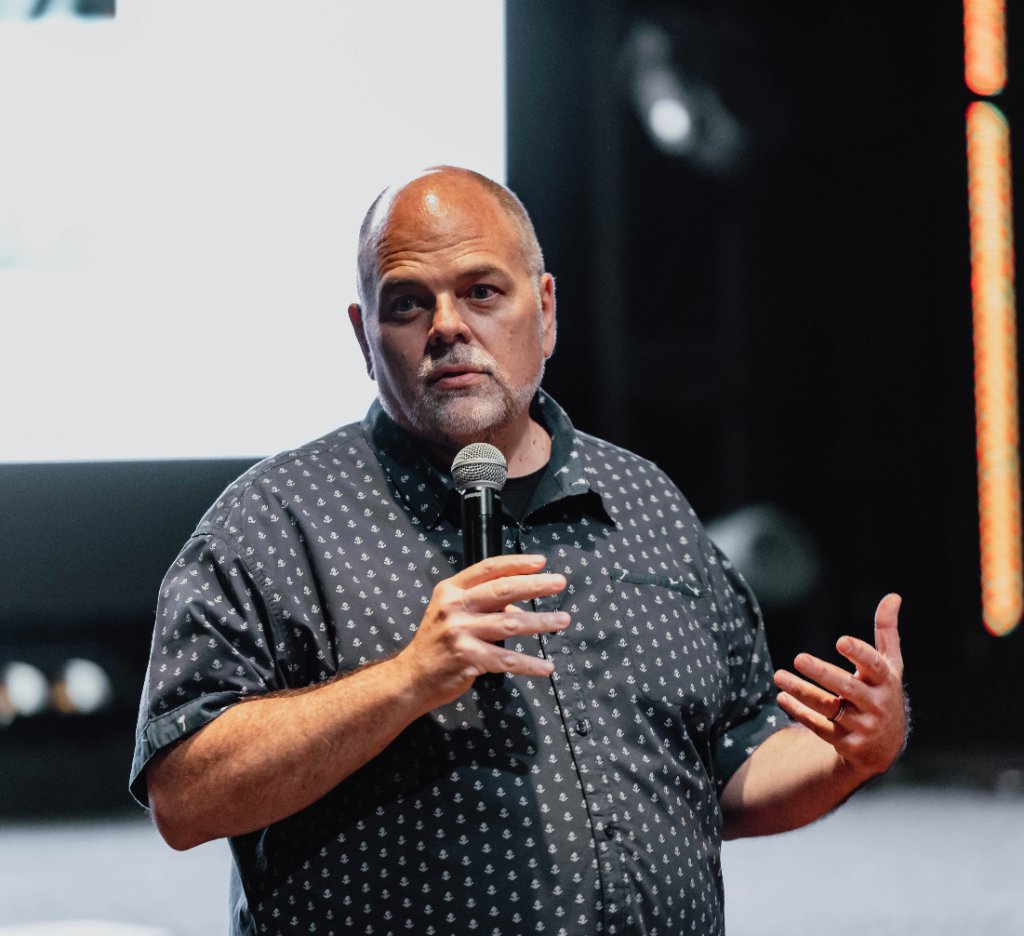
Wayne Lanier
Founder & Executive Director, Labor of Love International Ministries
Wayne Lanier has 35+ years of experience in foster care, adoption, FASD advocacy, and global orphan ministry. He and his wife Diana adopted five children through the foster care system and co-founded Labor of Love International Ministries to equip local churches to care for vulnerable children in the U.S. and around the world.
Read more about Wayne & Diana →